
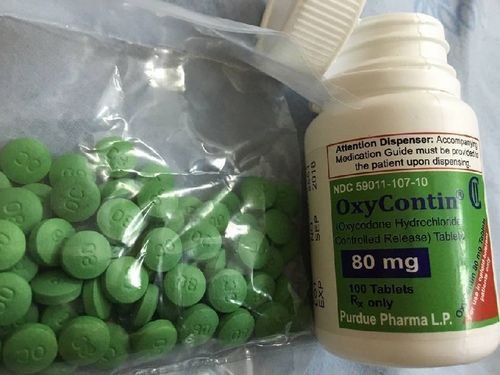
Oxycodone
Oxycodone is a medicine that is used to help treat severe pain. Common side effects include constipation, nausea, vomiting, stomach pain, headache, and dizziness. Do not drive or do other activities that require alertness or coordination until you know how oxycodone affects you. Talk to your health care provider if you get confused or feel like your pain is getting worse instead of better. Oxycodone comes in several forms, including a tablet, capsule, and liquid that you take by mouth. Uses What is oxycodone used for? Oxycodone is commonly used to treat severe pain. Oxycodone may also be used for other conditions as determined by your health care provider. How does oxycodone work (mechanism of action)? Oxycodone works to change how your body feels and responds to pain by binding to and activating specific receptors in your body. How is oxycodone supplied (dosage forms)? Brands and other names Oxycontin Roxicodone Xtampza ER Dosage forms and strengths 9 mg, 13.5 mg, 18 mg, 27 mg, 36 mg extended-release oral capsules 10 mg, 15 mg, 20 mg, 30 mg, 40 mg, 60 mg, 80 mg extended-release oral tablets 5 mg oral capsules 5 mg, 10 mg, 15 mg, 20 mg, 30 mg oral tablets 5 mg/5 mL, 100 mg/5 mL oral solution How should I store oxycodone? Oxycodone should be stored at room temperature, between 68 F and 77 F (20 C and 25 C). It can be exposed to temperatures between 59 F and 86 F (15 C and 30 C) for shorter periods of time, such as when transporting it. Store in a cool, dry place. Protect from light and moisture. Side Effects What are the most common side effects of oxycodone? The most common side effects of oxycodone are listed below. Tell your health care provider if you have any of these side effects that bother you. Nausea or vomiting Headache Constipation (see below) Drowsiness Itching Dizziness Trouble sleeping Feeling unusually weak or tired Dry mouth Sweating Stomach pain There may be other side effects of oxycodone that are not listed here. Contact your health care provider if you think you are having a side effect of a medicine. In the U.S., you can report side effects to the FDA at www.fda.gov/medwatch or by calling 800-FDA-1088 (800-332-1088). In Canada, you can report side effects to Health Canada at www.health.gc.ca/medeffect or by calling 866-234-2345. What are the serious side effects of oxycodone? While less common, the most serious side effects of oxycodone are described below, along with what to do if they happen. Severe Allergic Reactions. Oxycodone may cause allergic reactions, which can be serious. Stop taking oxycodone and get help right away if you have any of the following symptoms of a serious allergic reaction. Breathing problems or wheezing Racing heart Fever or general ill feeling Swollen lymph nodes Swelling of the face, lips, mouth, tongue, or throat Trouble swallowing or throat tightness Itching, skin rash, or pale red bumps on the skin called hives Nausea or vomiting Dizziness, feeling lightheaded, or fainting Stomach cramps Joint pain Risk of Misuse and Addiction. Misusing oxycodone can lead to serious side effects, such as coma or death. Misuse means taking a medicine in a way other than how it was prescribed. Take oxycodone exactly as prescribed. Tell your health care provider if you feel that oxycodone is not working. Call your health care provider right away or go to the nearest emergency room if you have any of the following serious symptoms. Sudden confusion or feeling disoriented Feeling paranoid Suicidal thoughts or actions Seizures Trouble breathing Breathing Problems. Oxycodone may cause slow or shallow breathing, especially when you start oxycodone or when your dose is increased. You may be at higher risk if you have breathing problems from another condition or take other medicines that can slow your breathing. Ask your health care provider about keeping naloxone available, as this can be used to reverse the effects of oxycodone. Get emergency help if you have any of the following symptoms. Changes in the color of your skin, including bluish color to your lips and fingernails Confusion Shortness of breath Feeling dizzy, lightheaded, or fainting Changes in your heart rate or rhythm, such as a fast, slow, pounding, or skipping heartbeat Slow or shallow breathing Excessive sleepiness or trouble staying awake Increase in Pain Sensitivity. Oxycodone tablets can cause hyperalgesia and allodynia. Hyperalgesia is when your body becomes more sensitive to pain and can cause things that normally cause pain to feel more painful than usual. Allodynia is a condition where things that do not usually cause you pain, such as wearing glasses or brushing your hair, cause you pain. Call your health care provider if you are having more pain, pain from things that would normally not cause you pain, or pain in other parts of your body. If your pain increases, do not take extra doses of oxycodone. Reduced Adrenal Function. Long-term use of oxycodone can cause your body’s adrenal glands to stop making as much cortisol (the stress hormone). This is known as adrenal insufficiency. This is especially a concern if you have been taking a corticosteroid by mouth, such as prednisone, and you stop it and switch to oxycodone. Adrenal insufficiency can get worse if your body is under stress because of fever, surgery, or trauma. Tell your health care provider if you have any of the following symptoms of adrenal insufficiency. Nausea and vomiting Weakness, tiredness, or lack of energy Low blood pressure Low Blood Pressure (Hypotension). Oxycodone may cause low blood pressure. If you feel faint or dizzy, lie down. Tell your health care provider right away if you have any of the following symptoms of low blood pressure. Dizziness, feeling lightheaded, or fainting Confusion Feeling weak or tired Sphincter of Oddi Spasm. The sphincter of Oddi is a muscular valve in your body that controls the flow of bile and digestive juices from the pancreas into the small intestine. When this valve spasms, it may feel like getting a tight muscle cramp, causing pain and blocking the flow of these juices, which can lead to